
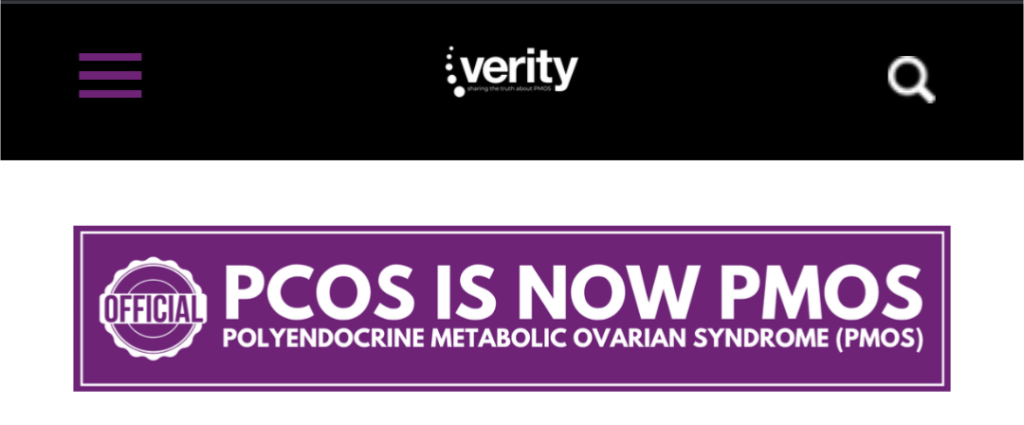
If you’ve heard of PCOS (Polycystic Ovary Syndrome), you may be surprised to learn that it now has a new name: PMOS – Polyendocrine Metabolic Ovarian Syndrome.
At first glance, this might seem like a simple rebrand. But in reality, it’s a significant shift in how we understand this common condition and its impact on women’s health throughout life.
The change follows years of work by the international PCOS community, led by Professor Helena Teede and the International PCOS Network. More than 22,000 people with lived experience and dozens of patient and professional organisations contributed to the discussion, with most supporting the move. The new terminology will be formally adopted in the 2028 International Guideline.
For the estimated one in eight women affected by PMOS, many of whom remain undiagnosed, this change could help improve awareness, diagnosis and long-term care.
Why Change the Name?
The term Polycystic Ovary Syndrome, PCOS, has long caused confusion.
Many women diagnosed with PCOS don’t actually have polycystic ovaries, while others with polycystic-appearing ovaries don’t have the syndrome. The name has also tended to focus attention on fertility and reproductive health, overshadowing the wider hormonal and metabolic effects that can affect women throughout their lives.
In fact, recent research suggests that the ovarian changes seen in the condition are not related to abnormal ovarian cysts at all.
The new name – Polyendocrine Metabolic Ovarian Syndrome – reflects what we now know: this is a complex condition involving multiple hormone systems, metabolic health and ovarian function. It can affect far more than periods and fertility.
PMOS can influence weight, energy levels, mood, skin health, cardiovascular health and metabolic wellbeing, often long after the reproductive years have ended.
PMOS Is About Much More Than Periods
When most people think about PCOS, they think about irregular periods or fertility challenges. While these are important aspects of the condition, PMOS can affect many areas of health, including:
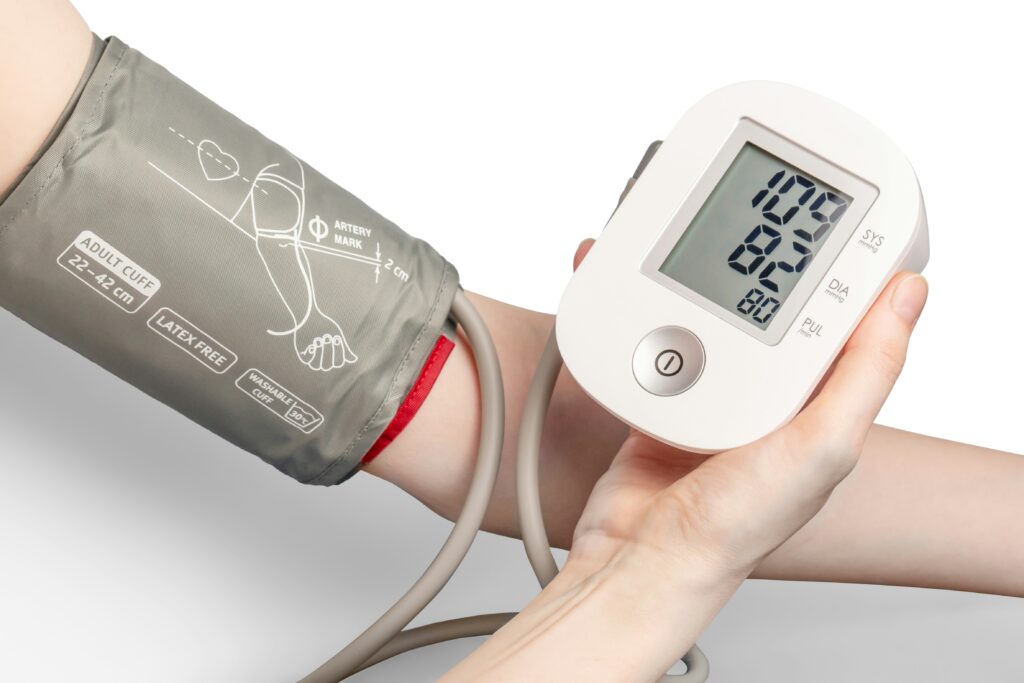
Metabolic Health
Women with PMOS have an increased risk of:
- Insulin resistance
- Type 2 diabetes
- High cholesterol
- High blood pressure
- Fatty liver disease
- Cardiovascular disease
Weight and Body Composition
Many women find that they gain weight more easily and struggle more to lose it, despite making lifestyle changes. This isn’t simply about willpower; underlying hormonal and metabolic factors often play a significant role. Disordered eating is really common.
Sleep and Energy
PMOS is associated with an increased risk of obstructive sleep apnoea, which can contribute to poor sleep quality, daytime fatigue and reduced quality of life.
Mental Health
Living with PMOS can have a significant emotional impact. Anxiety, low mood and reduced self-confidence are common and need recognition and support.
Skin and Hair Changes
Symptoms may include:
- Acne
- Excess facial or body hair (hirsutism)
- Hair thinning or loss (alopecia)
Why This Matters Even More in Midlife
For women approaching menopause or already in the menopausal transition, this name change is particularly relevant.
One of the key features of PMOS is insulin resistance. As we move through perimenopause and menopause, insulin resistance naturally tends to increase due to hormonal changes. For those who already have underlying insulin resistance related to PMOS, this can create additional challenges.
Many will notice:
- Increased central weight gain
- Rising cholesterol levels
- Rising glucose levels
- Rising blood pressure

This doesn’t mean these outcomes are inevitable. It does mean that awareness becomes even more important. Understanding your risks allows you to take proactive steps, including:
- Regular blood pressure monitoring
- Cholesterol testing
- Blood glucose screening
- Prioritising strength training and physical activity
- Focusing on adequate protein intake
- Optimising sleep and stress management
For some women, medications such as metformin may be appropriate to address insulin resistance. Others may benefit from supplements such as inositol. There is also growing interest in the potential role of GLP-1 medications to support weight and metabolic health.
Why the Name Change Matters
Changing the name isn’t simply about terminology. It has the potential to improve care in meaningful ways.

Better Healthcare
The new name encourages healthcare professionals to view PMOS as a lifelong condition rather than one focused solely on fertility and menstrual symptoms.
Better Research
It may stimulate more research into the metabolic, cardiovascular and psychological aspects of the condition, areas that have historically received less attention.
Greater Awareness
Women may be more likely to recognise symptoms, seek assessment and understand the importance of monitoring their long-term health.
Stronger Advocacy
A more accurate name can help improve recognition within healthcare systems, workplace wellbeing initiatives and public health policy.
Final thoughts
The transition from PCOS to PMOS will take time, with a formal rollout planned over the next few years. However, the change represents much more than a new name. It reflects a growing understanding that this condition affects far more than periods and fertility. PMOS acknowledges the interconnected role of hormones, metabolism and long-term health, and highlights the importance of supporting women across their entire lifespan.
For midlife women, that recognition is particularly important. Understanding PMOS can help you make informed decisions about your health today while reducing risks for the future because this isn’t just about reproductive health. It’s about whole-body health, at every stage of life. Here at Rethink, each consultation includes a personalised approach to understand your health and wellbeing.
More information and resources
PMOS Guideline – Monash Centre for Health Research and Implementation (MCHRI)