
When we picture menopause, most of us imagine it happening in our 50s. But for many, the transition begins much earlier. In the UK, the average age of menopause is 51, yet the hormonal shifts that lead up to it—known as perimenopause—can start years before periods stop. If you’re in your 30s or early 40s and noticing changes, you may be wondering whether it’s “too early” for perimenopause. The short answer: not necessarily.
Let’s break down what early menopause really looks like, why it’s often missed, and how to get the support you need.
What Is Perimenopause?
Perimenopause is the transitional phase before menopause, typically lasting 4 to 8 years, with the average onset in the mid‑40s. But this isn’t the case for everyone.
- Premature Ovarian Insufficiency (POI) affects up to 3 in 100 women under 40.
- Early menopause, occurring between ages 40 and 45, affects around an additional 1 in 20 women.

That means many women may begin experiencing perimenopausal symptoms in their late 30s—far earlier than they expect. And globally, the average age of menopause varies widely; in India, for example, it’s around 46.
During perimenopause, you might notice:
- Changes in your menstrual cycle
- Worsening PMS
- Anxiety or mood changes
- Sleep disturbance
- Migraine flares
Hot flushes and night sweats are the most well-known symptoms, but tend to appear later, which is why early perimenopause can be easy to overlook.
Some women experience early menopause naturally, while others may enter it due to factors such as smoking, autoimmune conditions, chemotherapy, pelvic radiotherapy, or hysterectomy.
Early Perimenopause Can Often Be Missed
As a Menopause Specialist, I regularly meet women who have been told they are “too young” to be perimenopausal. This can be incredibly frustrating and can lead to:
- Unnecessary investigations for perimenopause symptoms (brain scans, ECGs, arthritis tests etc)
- Delays in receiving appropriate support
- A sense of self‑doubt about your own symptoms and intuition
Our understanding of menopause has evolved significantly, but early menopause is still under‑recognised—especially when symptoms are subtle or overlap with busy, stressful life stages.
Can We Predict When Perimenopause Will Begin?
Our family history can offer clues. POI and early menopause often run in families, so speaking with your mother or any older sisters can be helpful.
But beyond that, predicting the timing is difficult.
What About Blood Tests and Home Testing Kits?
The most commonly used blood test is FSH (follicle‑stimulating hormone).
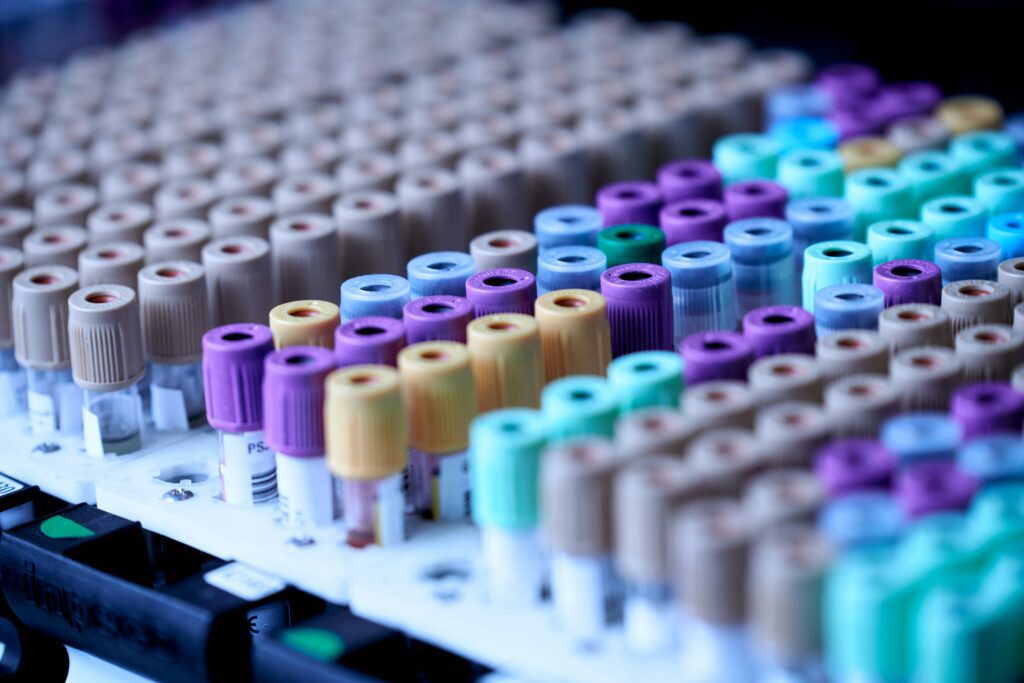
- Two FSH readings over 30 can diagnose menopause.
- In perimenopause, FSH fluctuates and often doesn’t reach the cut-off of 30.
- Levels under 30 are frequently reported by labs as “normal,” even when symptoms suggest otherwise.
- There is no agreed FSH level that diagnoses perimenopause.
- A normal FSH does not rule out perimenopause.
FSH testing isn’t reliable if you’re using contraception containing oestrogen (e.g., the combined pill). It can be used with most progesterone‑only methods, the implant, and the hormonal coil. With the contraceptive injection, timing matters—testing is best done when the next injection is due.
Blood tests can be particularly helpful when:
- You don’t have periods (e.g., after a hysterectomy)
- Your contraception alters your cycle (e.g., the hormonal coil)
- Symptoms are unclear or overlap with other conditions
Is Tracking Symptoms Helpful?
For some, tracking symptoms alongside their cycle provides clarity and understanding. For others—especially those with health anxiety—it can feel worrying and overwhelming.
Neurodiverse folk often have differences in interoception (the ability to sense internal bodily signals), which can make symptom recognition more challenging.
There’s no right or wrong approach; it’s about what supports you.
What Else Could Be Causing My Symptoms?
Not every symptom will be hormonal. Fatigue, low mood, and joint pain can all have many causes. This is why a thorough conversation with a healthcare professional is invaluable. Together, you can explore:
- Your symptoms
- Your medical history
- Possible contributing factors
- Whether blood tests (e.g., iron levels) are appropriate
A holistic assessment helps ensure nothing important is missed.
Support for Early Perimenopause
If you’re experiencing early perimenopausal symptoms, there are many ways to support your wellbeing and prepare for the future.
Reliable Information
There’s more menopause content than ever—but not all of it is accurate or relevant. Finding trusted sources and clinicians you feel comfortable with is key.
Lifestyle Approaches

Small, sustainable changes can make a meaningful difference:
- Prioritising sleep
- Whole-food, mostly plant-based nutrition
- Vitamin D supplementation
- Reducing alcohol and caffeine
- Regular movement—cardio, strength, and restorative
- Building rest into your week
- Strengthening social connections
Medication Options
There is no one‑size‑fits‑all approach.
- Hormonal contraception can help regulate symptoms for some
- HRT may be appropriate for others
- Non‑hormonal options are available too
Your choice should reflect your symptoms, preferences, and medical history.
Long‑Term Health Considerations
If you enter menopause early, it’s especially important to protect your heart and bones.
- Blood pressure checks at least every 5 years
- Cholesterol checks (via the NHS Health Check from age 40)
- Consideration of a DEXA scan to assess bone density
These proactive steps can make a difference to protecting your long‑term health.
Final Thoughts
While menopause is often framed as something that happens in our 50s, the reality is far more varied. Perimenopause can begin much earlier, and recognising the signs empowers you to take control of your health.
Here at Rethink, I offer holistic, personalised consultations to help you navigate this stage with clarity and confidence. For more information, you can contact Sam at [email protected].