
As we navigate midlife, our bodies and minds undergo changes that can feel incredibly frustrating—muscle and bone mass decrease, energy levels dip, brain fog and low mood are common. One tool that can be helpful, as part of a bigger picture that includes sleep support, nutrition, movement and rest, is creatine supplementation.
What Is Creatine?
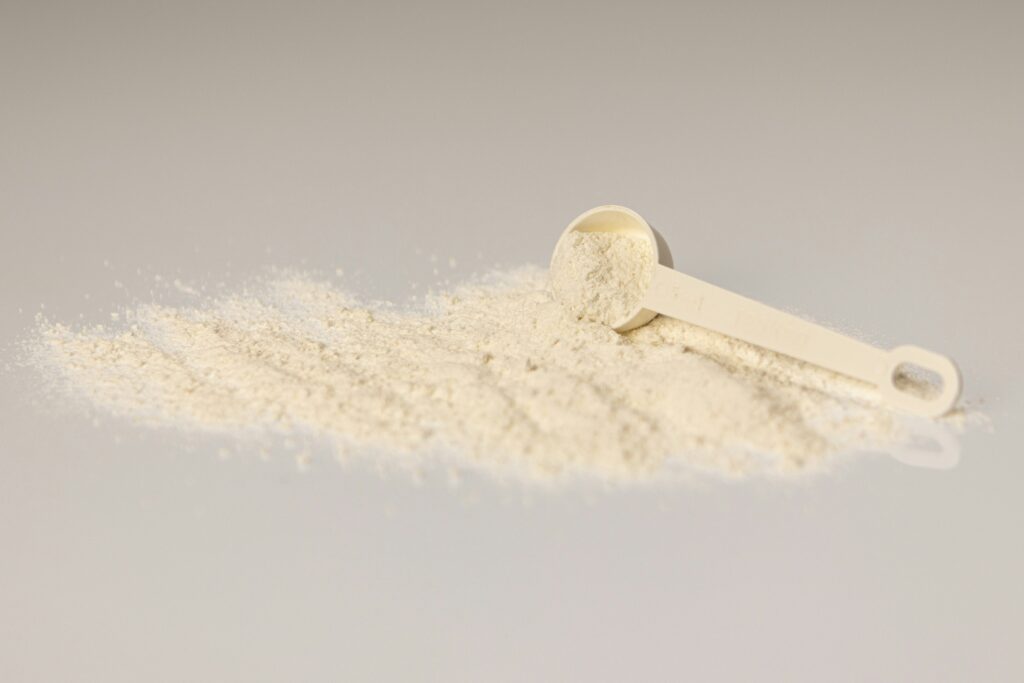
Creatine is a naturally occurring compound that is an energy source for our cells, especially our muscles and brain. Women have been shown to have lower stores than men, and those who don’t eat much meat or fish may have a lower nutritional intake too.
Why Creatine Matters for Midlife Women
Research increasingly shows that creatine isn’t just for athletes or teenage boys trying to bulk up at the gym. For women at midlife, it can help in these ways:
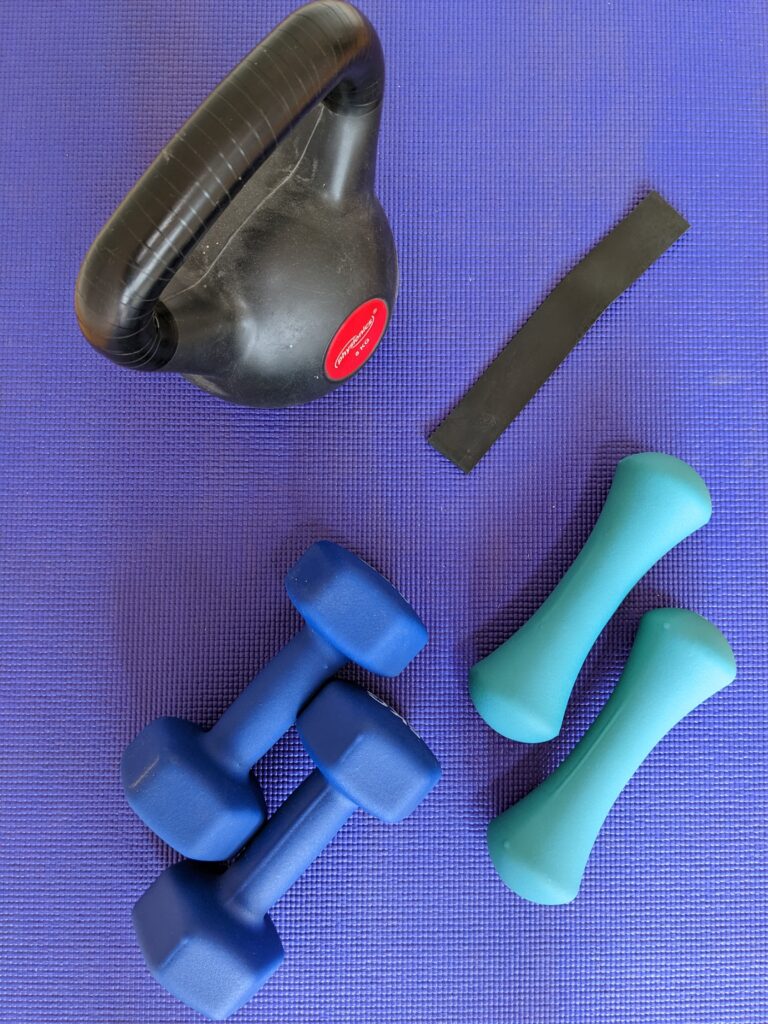
- Muscle strength and lean mass: Especially when combined with strength training, creatine can help maintain muscle mass and improve strength.
- Exercise recovery: Creatine supports faster recovery, and endurance, which is especially useful for those muscle aches after a workout.
- Fatigue: Alongside improved exercise recovery, as creatine helps our cells with energy, less fatigue can be seen with supplementation.
- Bone health: Some evidence suggests that, when combined with strength training, creatine can support bone density.
- Brain function: Creatine has a particular role in energy for brain cells. Supplementation has been linked to improved reaction times, better mental clarity, and support for cognitive function.
- Mood support: Studies have shown that creatine may help improve mood and reduce the severity of mood fluctuations.
- Sleep support: Studies have recently shown promise for creatine aiding sleep quality.
Is there anyone who shouldn’t take it?
There have been some conflicting studies in those living with cancer, so if this applies to you, please talk to your oncologist. Similarly, if you have a long-term medical condition such as kidney disease, again speak to your team. The other area of potential caution is with endometriosis, as some recent research (lab-based rather than actually in women) has associated creatine with stimulating endometriosis.
How to Supplement
- Dose: The typical recommendation is 5 grams of creatine monohydrate per day.
- Ways to take it: Creatine comes in different forms. I usually recommend the powder, which can be mixed into warm drinks or yoghurt.
What about side effects?
Most people don’t have any side effects. The most common is some bloating. If you notice this, then you can build up slowly – for example, half a teaspoon twice a week for a few weeks, gradually increasing towards a teaspoon daily.
Bottom Line
Creatine isn’t just for bodybuilders; it’s a tool for supporting strength, mood, brain health, and overall vitality as we age. While creatine appears beneficial for most midlife women, it’s not a magic wand, and is just one part of a holistic plan of support at menopause, including sleep, nutrition, movement, rest and for some, HRT or non-hormonal medications. Here at Rethink, I offer 1:1 holistic support that looks at all of these areas together, to put together a personalised plan just for you.
Further information
Creatine Supplementation in Women’s Health: A Lifespan Perspective – PMC
Creatine in women’s health: bridging the gap from menstruation through pregnancy to menopause