
Heavy periods. Pelvic pressure. Constant trips to the toilet. Low iron.
Common symptoms, with a number of possible causes, one of which is fibroids.
What are fibroids?
Fibroids are non-cancerous growths that develop in the muscle of the uterus (womb). They can range from just a few millimetres in size to as large as a melon.
By the age of 50, up to 80% of women will have developed one or more fibroids, although many never cause symptoms and are only discovered during a scan for another reason.
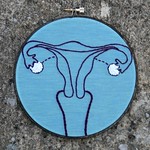
Fibroids may develop:
- Within the wall of the womb (intramural)
- Inside the womb cavity (submucosal)
- On the outer surface of the womb (subserosal)
Why do fibroids develop?
The truth is, we still don’t fully understand why fibroids occur.
We do know that they are oestrogen-sensitive, meaning they develop from puberty until menopause. After menopause, fibroids often shrink naturally as oestrogen levels fall, although this may be less noticeable if we use hormone replacement therapy (HRT).
There also appears to be a strong genetic influence, with fibroids often running in families.
Who is more likely to develop fibroids?
Anyone with a uterus can develop fibroids, but they are more common in:
- Black women
- Women in their 40s and early 50s
- Women carrying excess weight
- With a family history of fibroids
Importantly, Black women are not only more likely to develop fibroids, but often experience them earlier, with larger fibroids and more severe symptoms.
What symptoms can fibroids cause?
Many people have no symptoms at all.
However, depending on their size and location, fibroids can cause:
- Heavy menstrual bleeding. This is common, and can lead to anaemia and/or iron deficiency.
- Pelvic pain or pressure. Large fibroids can give a feeling of heaviness or fullness in the pelvis.
- Bladder and bowel symptoms. Fibroids can press on surrounding tissues, leading to:
- Frequent urination
- Difficulty emptying the bladder
- Constipation
- Back pain
- Fertility and pregnancy complications. Although many people with fibroids have uncomplicated pregnancies and deliveries, fibroids can increase the risk of:
- Miscarriage
- Preterm labour
- Heavy bleeding after birth
How are fibroids diagnosed?
You may go to see your healthcare professional with some of these symptoms and be recommended to have an examination of your abdomen and pelvis. Most fibroids are diagnosed with a pelvic ultrasound scan, although an MRI scan may sometimes be recommended before treatment planning, particularly for larger or more complex fibroids.
They are also sometimes found incidentally, when a scan is done for another reason.
What about fibroids and HRT?
Many people worry that HRT will make fibroids grow dramatically. Fortunately, the evidence is reassuring. Studies suggest that more than 85% of women using HRT do not experience significant fibroid growth. While HRT may slow the natural shrinking of fibroids after menopause, it does not usually cause major enlargement.
Most importantly: fibroids are not, on their own, a reason to avoid HRT.
What treatments are available?

Treatment depends on:
- Your symptoms
- The size and location of your fibroids
- Your fertility wishes
- Your personal preferences
Not all people with fibroids will need treatment, as fibroids can be asymptomatic.
Medical treatments
For heavy bleeding, options include:
Non-hormonal options:
- Tranexamic acid (available over the counter)
- Mefenamic acid
- Anti-inflammatory medications (NSAIDs, available over the counter)
Hormonal and contraceptive options:
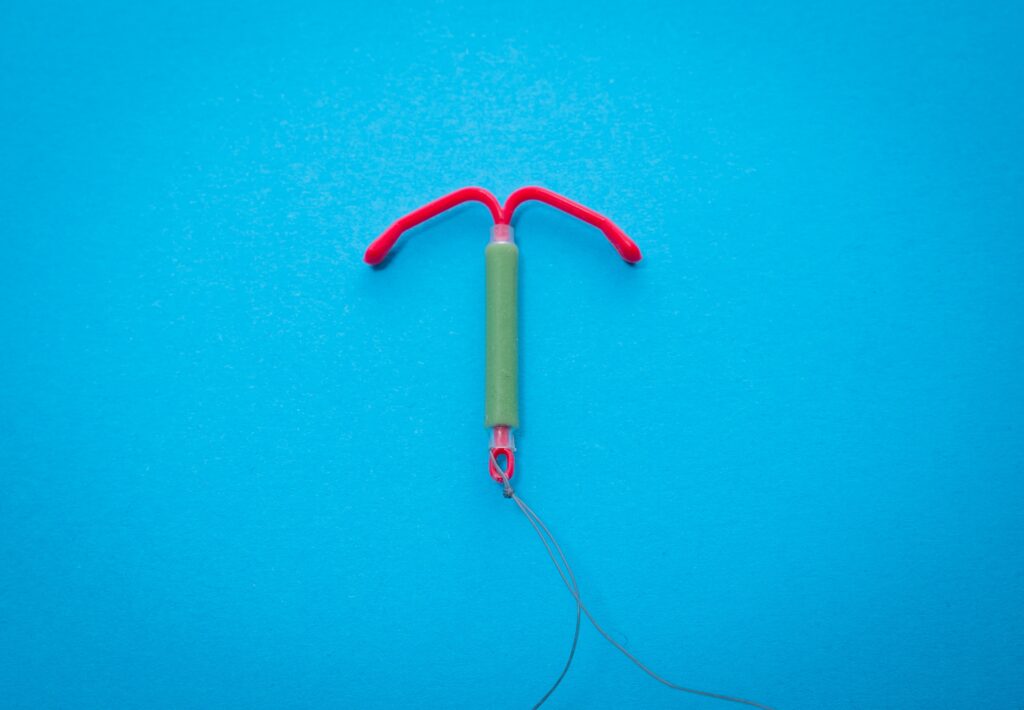
- Mirena® intrauterine system (hormonal coil)
- Contraceptive pills, injections or implants
Newer medications that temporarily reduce oestrogen levels, such as oral GnRH antagonists combined with hormone “add-back” therapy, are also becoming more widely available through specialist services.
When should you be referred?
Current NICE guidance recommends referral to a gynaecologist if you have:
- Fibroids larger than 3 cm
- Submucosal fibroids
- Very heavy bleeding
- Pressure symptoms e.g. affecting the bladder or bowel
- Symptoms that have not improved with primary care treatments
Surgical options
If symptoms are severe, surgery may be considered.
This may include:
- Removing individual fibroids (myomectomy)
- Uterine artery embolisation, which reduces the fibroid’s blood supply
- Removal of the lining of the womb (endometrial ablation)
- Hysterectomy in some circumstances
A hysterectomy is not the only option, and we should be offered information about all options open to us.
Fibroids and health inequalities
A recent report has unfortunately highlighted significant inequalities in fibroid care. An All-Party Parliamentary Group on Black Health report (October 2025) found that many Black women experience long delays before diagnosis and are more likely to be offered hysterectomy as a first-line treatment. These findings have prompted national discussions about improving all aspects of care, including awareness, earlier diagnosis, access to imaging, and expanded treatment choices.
Looking ahead
In 2025, the Royal College of Obstetricians and Gynaecologists brought together clinicians, researchers and patient advocates to develop a national strategy for improving fibroid care.
The proposed changes include:
- Better public awareness of heavy menstrual bleeding and fibroid symptoms
- Earlier access to ultrasound scans
- Improved GP training
- Faster referral pathways
- Greater access to newer medical treatments
- Specialist fibroid centres
- A national fibroid registry to improve research and reduce inequalities
These developments represent an important step towards ensuring a timely diagnosis and personalised care.
The bottom line
Fibroids are extremely common, particularly during the perimenopause years. While many cause no problems, others can significantly affect daily life through heavy bleeding, pain and pressure symptoms. The encouraging news is that treatment options are expanding.
If your symptoms are affecting your wellbeing, don’t suffer in silence; speak to your healthcare professional.
Here at Rethink, I can advise you about any symptoms that may occur alongside perimenopause, such as heavy bleeding and pelvic pressure.
Further support and information
- Wellbeing of Women – Information on fibroids and adenomyosis
- British Fibroid Trust – Patient information and support
- Just a Period – Real-life stories from women living with fibroids
- NICE – Fibroids
- Royal College of Obstetricians and Gynaecologists – Improving early detection and care pathways for uterine fibroids in England
- NHS England – Making a decision about: managing heavy periods