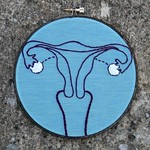

When we talk about menopause, we often focus on anxiety, low mood, sleep, and brain fog. But there is another really important aspect that deserves much more attention: our bladder, vulvo-vaginal and pelvic floor health.
In this article4 sections
Bladder leakage, recurrent urinary tract infections (UTIs), vaginal dryness, irritation, discomfort during sex, constipation and pelvic floor problems are incredibly common during and after menopause. Yet they remain some of the least talked-about symptoms. For many, embarrassment or shame can prevent them from seeking help. Others simply accept them as an inevitable consequence of childbirth or getting older.
But, there is so much we can do to help.
Why does menopause affect our bladder and pelvic health?
Oestrogen plays an important role in maintaining the health of the vagina, vulva, urethra, bladder and surrounding pelvic tissues.
As oestrogen levels fluctuate during perimenopause and decline after menopause, changes can occur in these tissues. They may become thinner, less elastic, drier and more vulnerable to irritation.
You might notice:
- Vaginal dryness, burning or irritation.
- Discomfort or pain during sex.
- Urinary urgency or frequency.
- Needing to pass urine more often, including during the night.
- Recurrent urinary tract infections.
- New or worsening bladder leakage.
These symptoms fall under the umbrella term Genitourinary Syndrome of Menopause (GSM). It is a common and often under-recognised consequence of declining oestrogen levels. Unlike some menopausal symptoms, GSM does not necessarily improve with time and can become progressively more troublesome without treatment.
You can read more in my article, The Genitourinary Syndrome of Menopause: What You Need to Know.
Oestrogen also influences collagen, connective tissue and the health of the structures that support our pelvic organs. Alongside the effects of pregnancy, childbirth, ageing, genetics and other factors, including hypermobility, hormonal changes may contribute to pelvic floor dysfunction and pelvic organ prolapse.
Importantly, these changes can begin during perimenopause. Sometimes, something that has been just about manageable for years suddenly becomes much more noticeable or difficult to live with.
The symptoms we don’t always talk about
Pelvic health problems can affect so many aspects of everyday life.
Some women experience stress urinary incontinence – leaking urine when coughing, sneezing, laughing, lifting or exercising. Others experience urge urinary incontinence, where a sudden, overwhelming need to pass urine makes it difficult to reach the toilet in time. You may also find yourself going to the toilet much more frequently, waking several times during the night or planning your day around where the nearest toilet might be. Constipation can become more troublesome too, and persistent straining can place additional pressure on the pelvic floor.
Another condition worth recognising is pelvic organ prolapse. This occurs when one or more of the pelvic organs – the bladder, uterus or bowel – descend towards or into the vagina.
Symptoms can include:
- A feeling of heaviness, pressure or dragging in the vagina.
- A sensation of a lump or bulge in the vagina.
- Feeling as though a tampon is falling out.
Symptoms often become worse towards the end of the day or after prolonged standing, lifting or straining, and feel better in the morning or after lying down. These symptoms can influence whether we exercise, socialise, travel, enjoy sex or simply feel comfortable in our own bodies.
They can have a significant impact on quality of life, and they deserve to be taken seriously.
What can we do to look after our bladder and pelvic health?
The good news is that there are many ways to support our bladder and pelvic health during and after menopause.
1. Look after your pelvic floor
Pelvic floor exercises can be very helpful, but they aren’t simply about squeezing. Our pelvic floor muscles also need to relax and coordinate with our breathing and movement. And let’s be honest: many of us either forget to do our pelvic floor exercises altogether or aren’t entirely sure whether we’re doing them correctly!
A specialist pelvic health physiotherapist can assess what your muscles need, whether that is strengthening, relaxation or both.
2. Look after your bladder
In terms of fluids, many of us find that we will restrict what we drink to manage our bladder, but an adequate fluid intake is important. Caffeine, alcohol, juice and squash can all irritate the bladder for some people.
Bladder retraining can also be helpful, particularly if you experience urgency or frequency. This involves gradually helping your bladder to tolerate longer intervals between visits to the toilet. And yes, this may mean tackling those habitual ‘just in case’ wees! Going to the toilet too frequently when you don’t actually need to can sometimes reinforce the cycle of bladder urgency and frequency.
3. Don’t forget your bowel health
Constipation and repeated straining can put additional pressure on the pelvic floor and aggravate symptoms of prolapse and bladder dysfunction.
Regular movement, adequate fluids and a fibre-rich diet can all help maintain healthy bowel function.
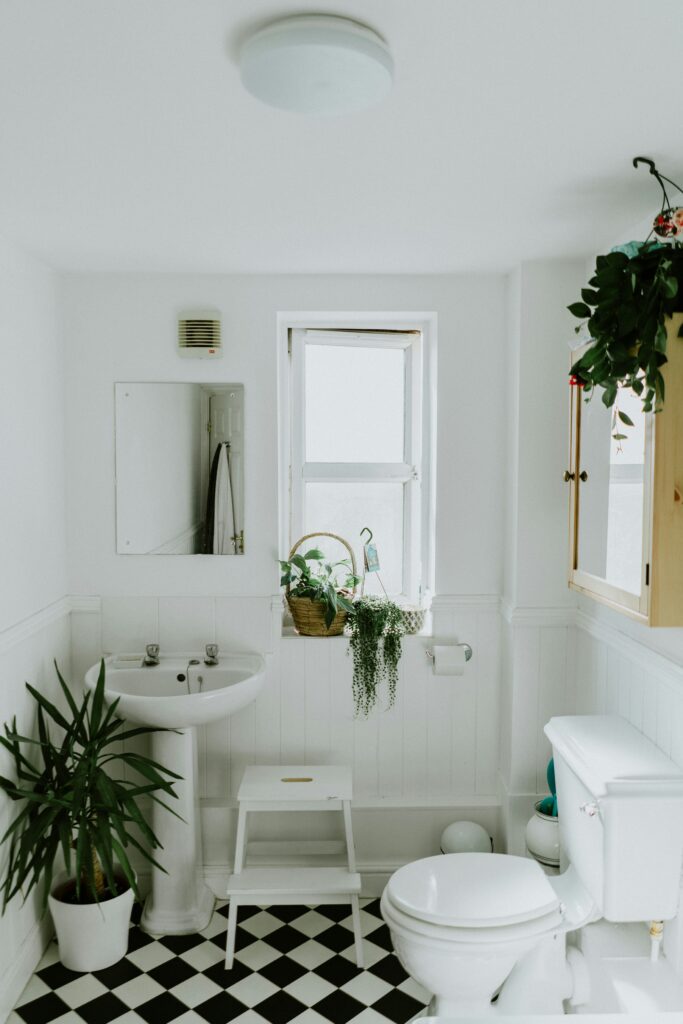
Toilet positioning is important too. Try raising your knees slightly above your hips using a small footstool, leaning forwards and allowing your abdomen to relax. Avoid straining or holding your breath.
Small changes can make a surprisingly big difference.
4. Be gentle with your vaginal and vulval tissues
As oestrogen levels decline, the vulvo-vaginal tissues become more susceptible to irritation, so it’s really important to avoid irritants, including soaps, intimate/feminine washes, deodorants and fragranced wipes. Washing the vulval area with water is sufficient.
If you remove pubic hair, be aware that this can sometimes cause irritation and small breaks in the skin, which may increase susceptibility to local skin problems, aswell as UTIs.
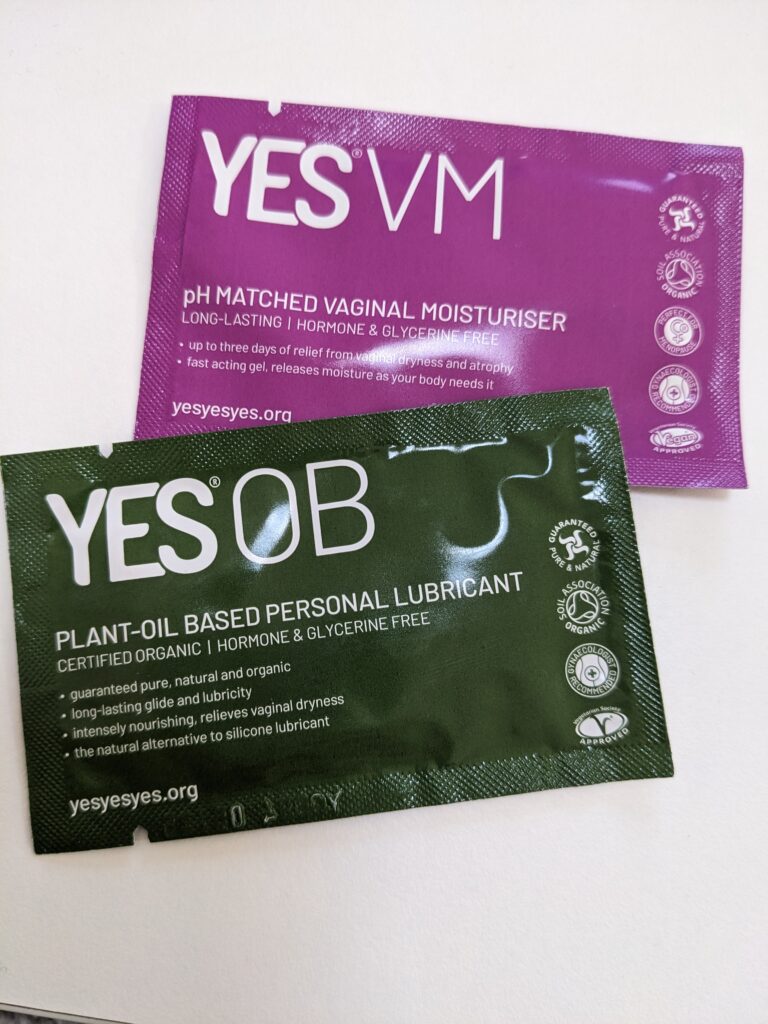
Vaginal moisturisers can help with ongoing dryness, while lubricants can make sexual activity more comfortable. These are different products, and some women benefit from using both.
If symptoms persist, don’t assume that dryness or irritation is simply something you have to accept. It is worth discussing treatment options with your GP or menopause specialist.
5. Understand your treatment options
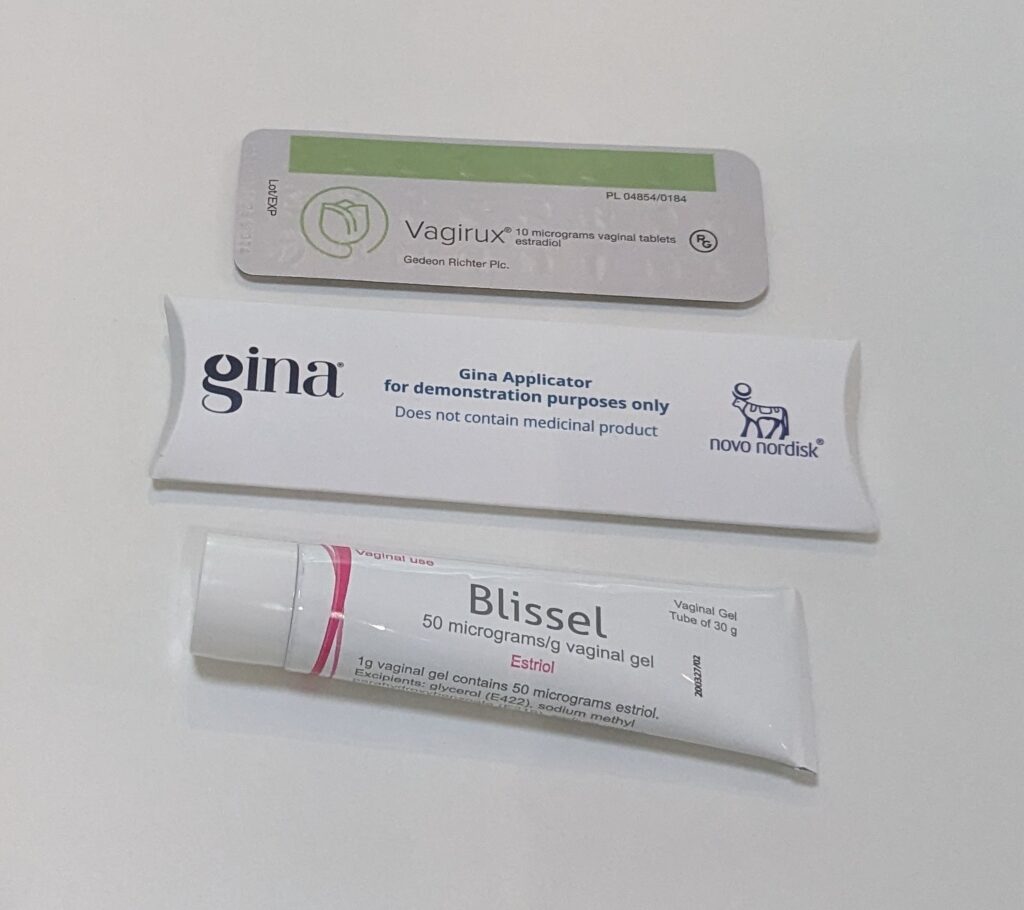
Vaginal oestrogen is an effective treatment for many women experiencing genitourinary symptoms of menopause. It can improve vaginal and urinary symptoms and help reduce recurrent urinary tract infections. You can read more in this article, “Local oestrogen: what every woman needs to know”
There are a number of other things that can help. Most GP surgeries will have someone who is able to fit a ring pessary for you. Some pelvic physios also now fit them. Pessaries can be really helpful for some people with pelvic organ prolapse. There are other devices that can be bought over the counter that can help with stress incontinence, such as Contrelle and Contiform.
Other options include pelvic health physiotherapy, bladder training, medication for certain bladder symptoms and, where appropriate, surgical treatments.
The important thing is that treatment should be tailored to your symptoms, preferences and individual circumstances. There is no single solution that works for everyone.
Your pelvic health matters
I really want us to change the conversation around bladder and pelvic health. Surveys have shown that 1 in 4 women over the age of 40 has urinary incontinence that bothers them, and 1 in 10 women over 50 has a symptomatic pelvic organ prolapse.
These symptoms deserve to be discussed more, and there are effective treatments available.
So whether you are struggling with bladder symptoms, or simply want to understand how menopause affects your pelvic floor, please don’t feel embarrassed about asking for help. Menopause care shouldn’t stop when your periods stop. Looking after our pelvic, vaginal and bladder health is an important part of looking after our long-term health and wellbeing.
Your pelvic health is a really important part of your overall health and wellbeing.
Let’s start talking about it.
Useful resources
POGP: Find a physiotherapist
POGP: Commonly used pessary types – a practical guide
PCDS: Vulval Care
Yes: natural vulval moisturisers and lubricants
BAUS: bladder retraining