When we think about our long-term health after menopause, heart disease and cancer are often the first to mind. But there’s another area that deserves our attention: our bones.
As a Menopause Specialist and GP, I’ve found that bone health isn’t something most women think about until they, or someone they know, experiences a fracture.
And yet, the years around and after menopause are an important time to start thinking about our bone health. The changes that happen to our bones are often completely silent — but the consequences of a fracture can be anything but.
The silent risk: osteoporosis
Osteoporosis literally means “porous bones”. It happens when bones become less dense and structurally weaker, making them more likely to fracture. A milder reduction in bone density is called osteopenia.
One of the reasons bone health becomes particularly important around menopause is the drop in oestrogen.
Oestrogen helps protect our bones, so when levels fall during menopause, the rate at which we lose bone increases. This can happen without any symptoms at all. You can’t feel your bones becoming thinner, which is why osteoporosis is often described as a “silent disease”.
Sometimes, the first sign that there is a problem is a fracture following what seems like a relatively minor fall.
How common is it?
Bone fractures become increasingly common as we get older, and women are particularly affected.
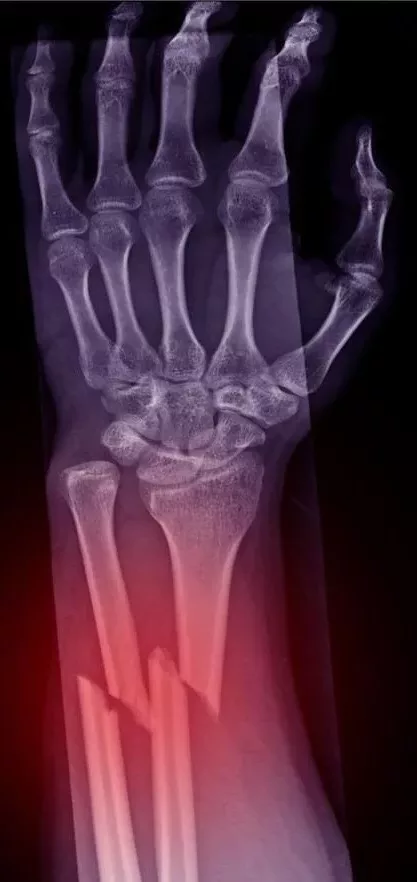
Wrist fractures are often the first obvious sign of reduced bone strength and can happen following a relatively simple fall. As we get older, changes in balance, strength and reaction time can also increase our risk of falling — and a fall can result in a more serious fracture of the hip or spine.
Spinal fractures can cause significant pain and, over time, may lead to loss of height and changes in posture.
Hip fractures are particularly serious. They can have a major impact on mobility and independence, and recovery can be difficult, particularly in older women.
This is why bone health isn’t simply about avoiding a broken bone. It’s about protecting our mobility, independence and quality of life for the years ahead.
Why are women more at risk?
Men can develop osteoporosis too, but women are particularly vulnerable, especially after the age of 50. There are several reasons why osteoporosis and fractures are more common in women:
- Lower oestrogen after menopause — oestrogen helps protect bone.
- Smaller bones and, on average, less muscle mass — muscle is important for strength, balance and protecting us from falls.
- We live longer — which means more years in which bone loss and falls can become an issue.
- Lower body weight can also be associated with lower bone density and an increased risk of fracture.
So, what can we do?
The good news is that there is a lot we can do to look after our bones.
And it’s not about doing everything perfectly. Small, consistent changes can make a real difference.
1. Know your risk
Some women are more likely to develop osteoporosis than others.
Your risk may be higher if you have had an early menopause, have a family history of osteoporosis or hip fracture, have previously broken a bone following a relatively minor injury, or have other medical or lifestyle risk factors.
It’s worth understanding your individual risk rather than assuming that osteoporosis is simply something that happens to “older women”.
The Royal Osteoporosis Society has a useful online risk checker. If you are at increased risk, talk to your GP about whether you need a formal bone health assessment. This may include a DEXA scan, which measures bone mineral density. Here at Rethink, I assess bone health through a FRAX score at every consultation, and can refer you for a private DEXA scan and help you interpret the results.
2. Give your bones a reason to stay strong
Bones respond to the demands we place on them.
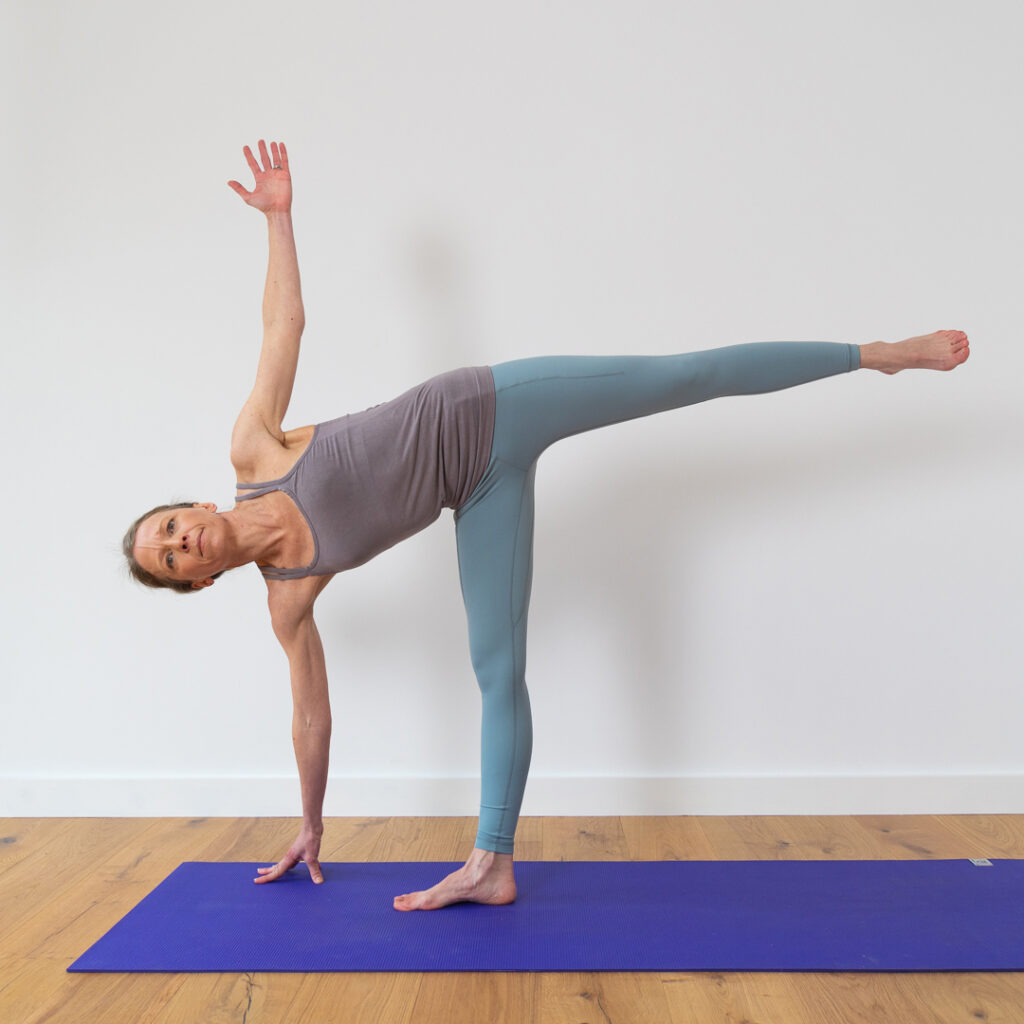
Weight-bearing and resistance exercise are particularly important. Walking, dancing, running, strength training, Pilates and yoga can all have a role, depending on your individual circumstances.
Resistance training is especially valuable because it helps us maintain muscle strength as well as supporting bone health.
And don’t forget balance training. Activities such as tai chi and yoga can help improve balance and coordination, which may reduce the risk of falls.
The key isn’t finding the “perfect” exercise. It’s finding something you enjoy and doing it regularly and progressively.
3. Eat to support your bones
Our bones need more than just calcium.
Calcium is important for maintaining bone strength. Good sources include dairy products, leafy green vegetables, tofu, nuts and seeds. Most adults need around 700mg of calcium a day, and many people can get this through a varied diet.
If you’re unsure whether you’re getting enough, a dietary calcium calculator can be a useful way of checking your intake.
Vitamin D is also important. Sunlight is our main source, but during the Autumn and Winter months we don’t make enough from sunlight alone. A daily 10 microgram (400 IU) vitamin D supplement is recommended for most adults during these months.
And there’s another piece of the puzzle that we sometimes overlook: enough energy and protein.
If you are exercising regularly, particularly if you’re doing a lot of endurance exercise, not eating enough to meet your body’s energy needs can negatively affect bone health. This is sometimes referred to as low energy availability.
Carbohydrates are not the enemy — they are an important source of energy, particularly when you’re active. Protein is also essential for maintaining muscle and bone.
4. Look after the bigger picture
Your everyday lifestyle matters too.
- Don’t smoke. Smoking accelerates bone loss and increases fracture risk.
- Keep alcohol within recommended limits. Higher alcohol intake is associated with an increased risk of falls and fractures.
- Try to keep BMI between 19 and 25 – both higher and lower increase the risk of osteoporosis
- Keep your muscles strong. Muscle strength, balance and bone health are all closely connected.
5. What about HRT?
This is an important one.
HRT can help prevent the bone loss associated with menopause and can reduce the risk of fractures. It can be particularly useful for women who have an early menopause or other risk factors for osteoporosis.
For some women, HRT may be an important part of their overall bone-health strategy. For others, a non-hormonal osteoporosis medication may be more appropriate.
Medications such as bisphosphonates are also very effective at reducing fracture risk in people with osteoporosis or who are at high risk.
The right approach depends on your age, menopause history, fracture risk, other medical conditions and personal preferences — so it’s worth having an individual conversation with your GP or menopause specialist.
Think about your bones before they become a problem
We tend to take our bones for granted. They quietly support us every day, and we don’t notice them until something goes wrong.
But looking after your bones isn’t just about preventing osteoporosis.
It’s about staying strong, active and independent for as long as possible.
If you’re postmenopausal and you’ve never thought about your bone health, now is a good time to start.
You don’t necessarily need a scan or medication. But knowing your risk, making sure you’re eating enough of the right foods, doing regular strength and weight-bearing exercise, and addressing any risk factors can all help you invest in your future self.
Your bones are worth looking after — long before they start complaining.