
This is the first in a series of blogs to help you understand how postmenopause affects your health, and this edition focuses on what you can do to protect your heart.
Did you know that heart disease kills more women than all cancers combined?
It’s true—and yet fewer than half of women realise that cardiovascular disease (CVD) is their greatest health risk. Historically, heart disease has been misunderstood, underdiagnosed, and undertreated in women. As we move through menopause and beyond, our risk increases.
Why Heart Health Matters More After Menopause
Oestrogen has a protective effect on the heart. It helps regulate cholesterol, blood pressure, and how our blood vessels function. After menopause, with lower oestrogen levels, our risk for heart disease rises significantly.
Symptoms of heart problems in women can be very different to men’s. You may not get the heart attack typically seen on TV, with severe chest pain that makes you feel really unwell. Instead, as a woman, you might notice:
- A milder tightness in your chest or a feeling that your bra is too tight
- Unusual tiredness
- Breathlessness, especially with activity
- Nausea, dizziness or feeling faint
- Mild indigestion that comes and goes
There can, of course, be many other reasons for these symptoms too, so it can be difficult to recognise and diagnose.
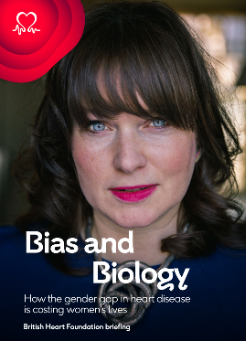
Women are also less likely than men to
- receive bystander CPR after a cardiac arrest
- be taken to the emergency department after a heart attack by paramedics
- receive coronary angiography (a test that looks inside your coronary arteries)
- be prescribed medication to try to prevent a second heart attack or stroke
- access cardiac rehabilitation
What Increases Heart Risk?
Some risk factors are well known, others are less obvious—especially those that are more common or more serious in women.
Risk Factors:

- Age
- High blood pressure
- High cholesterol or triglycerides
- Diabetes
- Smoking – raises risk more in women than in men
- Lack of physical activity
- Diabetes
- Obesity, especially with an increased waist circumference
- Ethnicity, and when we’re looking at ethnicity and menopause, those who have the greatest risk also tend to go into menopause earlier and are less likely to be prescribed HRT
- Family history of heart disease at an early age
Female-Specific Risk Factors:
- Early menopause (before age 45) and POI (menopause before 40)
- Hot flushes and night sweats – especially if they are severe
- Pregnancy complications – High BP in pregnancy, gestational diabetes, or premature delivery
- Irregular or very short/long menstrual cycles
- Conditions like PMOS (previously known as PCOS)
- History of miscarriage or stillbirth
Less well-known Risk Factors:
- Serious Mental health conditions and some treatments
- Migraine
- Autoimmune diseases – Like lupus or rheumatoid arthritis
- Low birth weight or childhood adversity
- Socioeconomic stress or limited access to healthcare
What Can You Do to Lower Your Risk?
The good news? There’s a lot you can do—and most of it starts with lifestyle. The Nurses’ Health Study showed just how important lifestyle factors are, demonstrating that women can reduce their risk of cardiovascular events by >80% by not smoking, maintaining a healthy body weight (body mass index <25 kg/m2), consuming a healthy diet, participating in moderate to vigorous exercise for 30 minutes a day, and consuming no more than a moderate amount of alcohol. The impact of modifying lifestyle factors is greater in women than in men!

✅ Don’t smoke
Even one cigarette a day increases risk.
✅ Move every day
Aim for 30 minutes of moderate activity (like walking, swimming, dancing) most days.
✅ Nutrition
The Mediterranean or DASH diet—rich in vegetables, fruit, oily fish, wholegrains and healthy fats—has been shown to support heart health. Limit ultra-processed foods and excess sugar.
✅ Optimise sleep and stress levels where possible
Poor sleep and high stress can increase blood pressure and inflammation. Rest and restore when you can.
✅ Limit alcohol
Even moderate drinking can affect your heart—so stay within the recommended guidelines.
What About HRT?
Hormone Replacement Therapy (HRT) may lower your risk of heart disease, when started within 10 years of your age of natural menopause.
HRT isn’t right for everyone, but it’s worth a conversation with your healthcare provider, especially if you’re early in menopause.
Know Your Numbers and aim for optimal
- Blood pressure
- Cholesterol
- Blood sugar levels
- Body Mass Index (BMI) and waist circumference
- Your heart age – You can calculate this online or during an NHS Health Check NHS – Calculate your heart age
Remember, we usually don’t have any symptoms if our blood pressure is starting to creep up.
Summary
Menopause is a natural transition, and it’s also a time when our risk for heart disease rises. Understanding this helps us make informed, proactive choices to protect our health longer-term. Here at Rethink, I calculate your heart age at every first appointment, an am happy to offer personalized, holistic advice about how to lower your risk.
Next month, along the same theme of impacts in the postmenopause, I’ll explore bone health.
Useful resources
A Woman’s Heart by Dr Angela Maas
How to measure your blood pressure at home Blood Pressure UK